
Blog
How to Make Photos Look Old: Transform Modern Images into Vintage Masterpieces

Feb
Photos look old when they capture the distinctive visual characteristics of bygone eras – from the warm, faded tones of 1970s film photography to the sepia hues of early 20th-century portraits. Creating this timeless aesthetic involves understanding color grading, texture manipulation, and the subtle imperfections that give vintage photographs their authentic charm.
The desire to recreate nostalgic imagery has become increasingly popular across social media platforms, with photographers and content creators seeking ways to transport viewers back in time through their visual storytelling. Whether you’re aiming for a World War 2-era documentary feel or the dreamy romanticism of vintage wedding photography, mastering the art of aging photos opens up endless creative possibilities.
Understanding the Vintage Photo Aesthetic
The vintage photo aesthetic encompasses several distinct characteristics that separate it from modern digital photography. Understanding these elements is crucial for anyone wanting to edit photos to look old authentically.
Core Elements of Vintage Photography:
- Color Temperature: Warmer tones with yellow or orange casts
- Grain Structure: Film grain that adds texture and authenticity
- Contrast Levels: Often lower contrast with lifted blacks
- Color Saturation: Muted, desaturated colors rather than vibrant digital hues
- Vignetting: Natural darkening around the edges of the frame
- Light Leaks: Occasional bright spots from film exposure issues
The old photo aesthetic varies significantly depending on the era you’re trying to replicate. 1940s photographs tend to have high contrast black and white tones, while 1970s images often feature warm, golden color casts with distinctive grain patterns.
Our team of expert photographers create presets that allow you to quickly try out a new look and feel, drawing from decades of photographic history to ensure authenticity. When crafting vintage-style images, we focus on replicating the actual limitations and characteristics of period cameras and film stocks rather than simply applying generic filters.
Popular influencers like Emma Chamberlain and those featured by Brandy Melville have built their entire aesthetic around old looking photos, using film cameras and editing techniques to create content that feels timeless and nostalgic. Their success demonstrates the powerful emotional connection people have with vintage imagery.
How to Transform Your Photos: Step-by-Step Guide
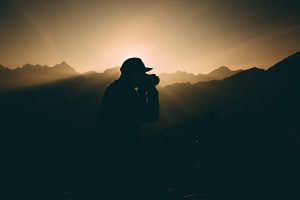
The process of transforming modern digital images into convincing vintage photographs requires careful attention to detail and the right tools. Many people struggle with apps that don’t actually make photos look old authentically, instead applying generic filters that lack the nuanced characteristics of true vintage photography.
Step-by-Step Vintage Transformation Process:
- Start with White Balance Adjustment: Adjusting white balance for vintage style is often the first step in creating authentic-looking aged photos. Shift toward warmer temperatures (3000-4000K) for that classic film look.
- Add Film Grain: Real vintage photographs have distinctive grain patterns. Avoid digital noise and opt for authentic film grain textures that match your chosen era.
- Adjust Color Grading: Lift the blacks slightly and add warmth to the highlights. Vintage films often had limited dynamic range, so compress your tones accordingly.
- Apply Subtle Vignetting: Natural lens vignetting was common in older cameras. Add a gentle darkening around the edges to enhance the vintage feel.
- Reduce Saturation: Modern digital cameras capture more saturated colors than film ever could. Pull back the vibrancy for a more authentic vintage photo aesthetic.
Professional Tools vs. Generic Apps:
We’ve spent hours hand-crafting presets for every occasion, and the difference between professional-grade editing tools and simple filter apps is immediately apparent. While smartphone apps might be convenient, they rarely capture the subtle complexities that make vintage photography truly convincing.
Using Photoshop actions provides more control over the aging process, allowing you to target specific areas of your image and apply effects with precision. Similarly, Lightroom brushes for vintage looks enable selective editing that mimics how film photographs naturally aged over time.
Advanced Techniques for Authentic Results:
- Dust and Scratches: Real old photographs accumulate physical damage over time
- Color Shifting: Certain film stocks shifted toward specific color casts as they aged
- Edge Burning: Darkening the edges slightly to simulate old printing techniques
- Texture Overlays: Adding paper or fabric textures to simulate physical photograph surfaces
Common Mistakes to Avoid:
Many people fail in their attempts to create convincing vintage imagery because they over-process their photos. Authenticity comes from subtlety – real vintage photographs weren’t dramatically stylized; they were simply limited by the technology of their time.
For those serious about achieving professional results, vintage lightroom presets offer the perfect balance between convenience and authenticity. Our Lightroom presets for vintage fall photos have been carefully crafted to replicate specific film stocks and processing techniques from different eras.
Influencer Success Stories:
Content creators like Devon Lee Carlson (@devonleecarlson) have built massive followings by consistently using vintage-inspired editing techniques. Their photos feel cohesive and nostalgic without appearing overly filtered or artificial. They achieve this by understanding the fundamental characteristics of vintage photography rather than relying on one-size-fits-all solutions.
Addressing Common Questions:
When people ask “how to make a photo look old in photoshop” or “how to make a new photo look old,” they’re often looking for quick fixes. However, the most convincing results come from understanding the technical and aesthetic principles behind vintage photography.
For those wondering about aging portrait photos, the same principles apply – vintage portrait photography had specific lighting characteristics and processing techniques that can be replicated digitally.
Beyond Basic Filters:
While many tutorials focus on photo restoration for old images, our focus is on the creative opposite – taking modern digital captures and imbuing them with the character and charm of analog photography.
The old photo aesthetic isn’t just about nostalgia; it’s about storytelling. When you successfully transform a modern image to look like it was captured decades ago, you’re creating a visual narrative that connects with viewers on an emotional level.
Professional-Grade Resources:
We make each and every preset with YOU in mind, ensuring that our vintage collections provide the tools needed to create truly convincing aged photographs. Our Lightroom Essentials collection includes comprehensive vintage preset packages that address every aspect of the aging process.
The growing popularity of vintage and film-inspired editing styles continues to rise on social media platforms, driven largely by nostalgia marketing and the desire for authentic-looking content that stands out from typical digital photography.
Key Takeaways
- Authentic vintage photo effects require understanding the technical limitations of period cameras and film stocks, not just applying generic filters that fail to capture the nuanced characteristics of true vintage photography
- Professional vintage lightroom presets provide the most convincing results by replicating specific film stocks and processing techniques, offering better outcomes than generic smartphone apps
- The vintage photo aesthetic combines warm color temperatures, film grain, reduced saturation, and subtle vignetting to create images that genuinely look like they were captured in bygone eras
- Successful influencers like Emma Chamberlain build their brands around consistent vintage styling by focusing on authenticity rather than over-processed effects
- White balance adjustment, color grading, and selective editing tools like Lightroom brushes are essential for creating convincing old looking photos that transport viewers back in time
- Subtlety is key to authentic vintage effects – real old photographs weren’t dramatically stylized but were simply limited by the technology of their era